 ilekaan kaan
The Six Main Points of Dialectical Behavior Therapy DBT
Coverage may include therapy sessions, medication-assisted treatment, and even aftercare support. However, it’s crucial to understand what’s included such as how many sessions are allowed or if specific providers are covered. Dialectical thinking means seeing situations from multiple perspectives and avoiding extreme viewpoints.
How is DBT Used for Substance Abuse Treatment?
Let Little Creek Recovery Center guide you down the right path to recovery, personal growth, and long-term sobriety. DBT therapy consists of six main points or modules that are necessary for the treatment to be successful. If you’ve been considering switching to an EHR system, SimplePractice empowers you to run a fully paperless practice—so you get more time for the things that matter most to you. SimplePractice is HIPAA-compliant practice management software with everything you need to run your practice built into the platform—from booking and scheduling to insurance and client billing. DBT is based on the concept of dialectics, which refers to the idea that two opposing forces can be true at the same time.
Core mindfulness.
Distress tolerance skills help individuals cope with crises and tolerate emotional pain without resorting to self-destructive behaviors. These skills include self-soothing techniques, distraction strategies, radical acceptance, and ways to improve difficult moments. With distress tolerance, individuals develop healthier coping mechanisms, reducing the frequency of harmful behaviors such as self-harm or substance abuse. Dialectical Behavior Therapy is an evidence-based treatment that encapsulates a unique approach alcoholism symptoms to mental health treatment, composed of six key components crucial for successful outcomes. Discover the role of each point in DBT and its impact on therapy without delving deep into psychological jargon.
Health & Wellness in Recovery

Distress tolerance is a DBT skill set designed to help you get through those difficult moments without making things worse through impulsive actions or self-destructive coping. The goal isn’t to eliminate distress, since life will always have painful moments, but rather to give you tools to ride out emotional storms in a way that protects your well-being, relationships, and values. When you practice mindfulness, you create a pause between a triggering event and your response.
Strategies for Emotion Regulation
If you or a loved one might benefit from DBT, it’s important to talk with a healthcare provider or mental health professional who is trained in the approach. Interpersonal effectiveness helps you to become more assertive in a relationship (for example, expressing your needs and be able to say “no”) while still keeping a relationship positive and healthy. You will learn to listen and communicate more effectively, deal with challenging people, and respect yourself and others.
- Individuals who struggle in social relationships often suffer from expressing themselves.
- Additionally, DBT teaches ‘Check the Facts’ to challenge and change unhelpful thoughts that often intensify emotional distress.
- So, when searching for a DBT specialist, utilize resources like the Psychology Today website, where professionals with DBT training are listed.
- This idea stands for being moderate in the manner of thinking and behavior.
- Interpersonal effectiveness skills in DBT focus on building and maintaining healthy relationships, resolving conflicts effectively, and setting appropriate boundaries.
- This skill equips them to face challenges confidently, maintain stability, and foster long-term sobriety.
- It helps individuals identify emotions, increase positive emotional events, increase mindfulness of current emotions, and take the opposite action.
- Intensive Outpatient Programs (IOPs) offer more support than standard outpatient care but still let you live at home.
This principle acknowledges that individuals need to accept themselves and their current situations while simultaneously working towards positive change. At its core, DBT is a cognitive behavioral therapy that emphasizes the psychosocial aspects of treatment. Its unique philosophy and practical techniques empower individuals to navigate emotional challenges and build fulfilling lives. You can also ask your provider, current therapist, or another trusted mental health professional to refer you to a colleague who specializes in https://sdd.mcru.ac.th/sober-living/addiction-treatment-first-steps-types-and-3/ DBT.
Techniques for Distress Tolerance
Distress tolerance in DBT is so important that it gets included in the first few steps of teaching skills. Especially when you are in emotional and existential crises, thinking of other DBT goals, or want to build resilience, distress tolerance teaches you everything. Dialectical Behavior Therapy (DBT) is a structured, evidence-based approach. The therapy is designed to help individuals regain control over their emotions, manage stress, and build stronger relationships. Various online resources, including websites, apps, and workbooks, provide information and exercises based on DBT principles.
By embracing reality for what it is, one’s emotional fortitude may be fortified which then strengthens their capacity to confront life’s obstacles. Catalyzing a shift dialectical behavioral therapy from resisting or denying to attaining inner tranquility promotes better mental health through the practice of radical acceptance. Dialectical behavior therapy (DBT), a therapeutic approach created by Marsha M. Linehan, emphasizes the importance of Interpersonal Effectiveness as a fundamental component.

Individuals can handle stress without turning to harmful behaviors by learning distress tolerance. Within dialectical behavior therapy (DBT), an essential concept is Distress Tolerance. In essence, this approach equips individuals with strategies for managing intense emotions effectively and more favorably addressing them constructively rather than destructively. Each of the six core components of DBT is powerful on its own, but the true strength of DBT comes from how these skills come together to promote balance, stability, and long-term change. DBT was originally intended to treat borderline personality disorder (BPD), but it has been adapted to treat other mental health conditions beyond BPD. It can help people who have difficulty with emotional regulation or are exhibiting self-destructive behaviors (such as eating disorders and substance use disorders).
ilekaan kaan
What Are A A. Meetings and How Do They Work?
Nobody is forced to share, donate money, or participate in prayers. BetterHelp can connect you to an addiction and mental health counselor. According to Alcoholics Anonymous, their success rate is 50 percent, with 25 percent of members remaining sober after aa definition relapsing.
How did you get sober?
Steps One through Three are about surrendering to the reality of the addiction and recognizing that healing requires reliance on a higher power. Steps Four through Seven demand rigorous honesty through self-examination and confession of faults, setting the foundation for genuine personal growth. Making amends to those harmed, as outlined in Steps Eight and Nine, acts as a bridge to rebuilding relationships and repairing social bonds damaged by the effects of alcoholism.
Creation of the General Service Conference (GSC)

AA is an informal organization that consists of local, independent groups where members come together to share their stories, discuss issues related to alcohol, and provide each other with support. AA meetings don’t involve judgment or criticism; instead, members discuss their struggles without fear of repercussion. Members are also encouraged to mentor newcomers and serve as role models for those still struggling with addiction. Alcoholics Anonymous, also known as the “Big Book,” presents the A.A. First published in 1939, its purpose was to show other alcoholics how the first 100 people of A.A.
- The alternative treatments to Alcoholics Anonymous are Medication-Assisted Treatment (MAT), Partial Hospitalization Programs, Intensive Outpatient Programs, Behavioral Therapies, and Support Groups.
- At its core, AA’s mission is to offer a supportive community where people can share their experiences with alcohol dependency and find mutual support in their journey toward sobriety.
- ‘ involves recognizing its role as a supportive community for individuals seeking to overcome their addiction to alcohol.
- Both meeting types uphold A.A.’s core principles of anonymity, respect, and mutual support.
- Meeting
- We will intuitively know how to handle situations which used to baffle us.
What Is The Success Rate Of AA?
Make a free, confidential call to a treatment provider today. We admitted we were powerless over alcohol – that our lives had become unmanageable. An AA group ought never endorse, finance, or lend the AA name to any related facility or outside Sobriety enterprise, lest problems of money, property, and prestige divert us from our primary purpose. The only requirement for AA membership is a desire to stop drinking.
Submit your number and receive a free call today from a treatment provider. Having had a spiritual awakening as the result of these steps, we tried to carry this message to alcoholics and to practice these principles in all our affairs. For a while, Dr. Smith and Wilson worked under the umbrella of the Oxford Group. However, they were often criticized for their practices. By 1937, they broke away from the Oxford Group and started AA.
Is to carry its message of recovery to the alcoholic seeking help. Almost every alcoholism treatment tries to help the alcoholic maintain sobriety. Regardless of the road we follow, we all head for the same destination, recovery of the alcoholic person. Together, we can do what none of us could accomplish alone. We can serve as a source of personal experience and be an ongoing support system for recovering alcoholics.
The History and Principles of Alcoholics Anonymous
We are people who have discovered and admitted that we cannot control alcohol. We have learned that we must live without it to live normal, happy lives. Sunnyside is a private, anonymous way to start improving your relationship with alcohol. According to a 2014 AA membership survey, 27% of members have been sober less than a year. Meetings are typically listed as “open” or “closed” meetings.
Alcoholics Anonymous: Definition, How it Works, Principles, Benefits, Alternatives
Active participation in Alcoholics Anonymous (AA) is a significant aspect of the recovery journey. It involves not only attending meetings, but also being part of the AA service structure and connecting with other members on a global level. Behavioral treatments play a crucial role in the recovery process. They involve working with health professionals to identify and http://dolceveri.com/socutegifts/2022/10/06/how-long-does-cocaine-stay-in-your-system-2/ change behaviors that lead to heavy drinking.
ilekaan kaan
Tips And Strategies To Cope With Alcoholic Neuropathy
The takeaway here, again, is that finding the right physician and rehab center early can save you from a lot of trouble down the line. Generally, alcoholic neuropathy is a bit of an umbrella term used to describe any deterioration of the body’s nerve cells due to high levels of alcohol abuse. As such, you might be a bit confused if you hear the terms “alcoholic neuropathy” and “alcoholic polyneuropathy” used interchangeably.

Alcoholism and Alcoholic Neuropathy
- Patients who suffer from nerve damage can feel tingling or burning-like sensations in their arms and feet.
- Alcoholic neuropathy is usually not life-threatening, but it can severely affect quality of life.
- Some of the options treat the symptoms of alcoholic neuropathy.
- Your doctor may run blood tests to check for a deficiency in vitamins and minerals caused by alcohol misuse.
- Alcohol neuropathy is a typical side effect in people with chronic alcohol abuse disorder.
- Patients with multisystem damage as a result of alcohol consumption often die of cardiac or liver failure.
Autonomic nerves control the functions of organs such as bladder, or intestines. The result of this type of neuropathy might be http://jolcar.protectioncargyn.com.br/?p=2591 problems with bladder and bowel functions, and sexual dysfunction. Neuropathy causes the sufferer to have impaired movement and numb limbs.
Alcoholic Personality Traits: Recognizing Crucial Signs and Seeking Help
In conclusion, understanding the prognosis for recovery from alcoholic neuropathy and following your treatment plan is essential to manage the condition effectively. Prioritize your health, abstain from alcohol, address nutritional deficiencies, and stay committed to the prescribed course of treatment for the best possible outcomes. When dealing with alcoholic neuropathy, it is essential to understand the prognosis for recovery and what factors may influence the healing process. Your quality of life and the management of chronic pain are directly linked to your commitment to treatment and abstaining from alcohol. It’s important to be open with your healthcare provider about your symptoms and alcohol consumption history so they can provide the best care possible. Chronic consumption of alcohol has been implicated in end-organ damage to multiple systems.
Factors Affecting Recovery Time
When you visit a healthcare professional for a potential diagnosis of alcoholic neuropathy, they will conduct a thorough neurological examination. This might involve evaluating your reflexes, muscle strength, balance, and overall coordination, as part of the physical exam. They may also inquire about your alcohol consumption and medical history to gather more information about the nature of your symptoms. We’ve all heard the devastating effects of alcohol dependence on the body and the mind. Cirrhosis of the liver, pancreatitis, mouth and throat cancers, hepatitis – these are just some of this disorder’s risks. One of the lesser–known effects, however, is alcoholic neuropathy, a damaging of the nerve cells that can cause pain, burning sensations, numbness, and a variety of other problems as well.
Identifying Symptoms and Effects
- Unfortunately, nerve damage sustained from alcoholic neuropathy tends to be permanent.2 It is also possible to develop alcoholic polyneuropathy, or alcohol-related nerve damage affecting multiple nerves.
- It worried me because it was tingly and numb all the time and I work with my hands so I went to my doctor about it right away.
- Physical therapy and orthopedic appliances (such as splints) may be needed to maintain muscle function and limb position.
- Beyond the numbness, tingling, and debilitating pain, it often accompanies sudden alcohol intolerance, rendering what was once a social indulgence into an unbearable trigger for worsening symptoms.
- Join our supportive sober community where each day becomes a step towards personal growth and lasting positive change.
Alcohol also contributes to oxidative stress, an imbalance between harmful free radicals and the body’s ability alcohol neuropathy stages to neutralize them. Elevated reactive oxygen species (ROS) from alcohol metabolism can injure nerve cells and DNA, hindering nerve regeneration. Prolonged alcohol exposure can also affect microcirculation to nerves, reducing oxygen and nutrient delivery essential for nerve health.
Our top-notch doctors, therapists, and counselors leverage the power of science to help clients succeed in rehab recovery. Alcoholic neuropathy is one of the most common but least recognizable consequences of heavy alcohol use. People with a long history of alcohol misuse might experience pain, tingling, weakness, numbness, or loss of balance as a result of alcoholic neuropathy. The damage may affect the autonomic nerves (those that regulate internal body functions) and the nerves that control movement and sensation.
Outlook of alcoholic neuropathy
The good news is that alchohol isn’t entirely bad for your feet. Studies have proven that a glass of red wine mid-flight can help prevent DVT blood clots from forming during air travel. And this spa inspired “Brew and Renew” beer foot bath will leave your feet soft, healthy and nourished. Wine, beer and cocktails also have quite an effect on your feet and legs.
Decreased Sensation
Alcoholic neuropathy refers to nerve damage resulting from chronic heavy alcohol use. Symptoms may include numbness and tingling in the limbs, muscle weakness, and loss of mobility. A doctor may diagnose a person with alcoholic neuropathy, if alcohol use has damaged the peripheral nerves. People who drink heavily on a regular basis are at risk of developing this condition. As you navigate the medical evaluation and diagnosis process, keep in mind that understanding and treating your condition requires a comprehensive approach. It’s important to be open with your healthcare provider about your symptoms and alcohol consumption history so they can provide the best care possible.
Medical Interventions
This is where an alcohol detox at the best 90-day substance abuse treatment center for alcoholism in Dallas-Fort Worth, Texas, can help. At an inpatient facility, people get to control their drinking habits and abstain what is alcoholism from alcohol successfully. This will help reduce the impact of nerve damage and manage the condition.
However, for others, especially those with severe or long-standing neuropathy, some symptoms may persist indefinitely. Long-term management focuses on symptom relief, preventing further nerve damage, and maintaining a healthy lifestyle to support nerve function. Included below are just a few stories collected from alcoholic neuropathy forums and other alcoholism resources.
It is important to note that the severity of these symptoms may vary from person to person and can be difficult to manage, which is why seeking professional help is crucial. Justin was born and raised in Fort Collins, Colorado, where he began his clinical education at Colorado State University. He received his bachelor’s in health and exercise science with a concentration in sports medicine and eventually earned a master’s of psychology in addiction counseling. During his time as a therapist, Justin has worked in a residential addiction treatment facility, private practice, and outpatient settings. Hailing from Boulder County, Courtney embarked on her academic journey by earning a bachelor’s degree in psychology.
ilekaan kaan
Affordable Sober Living Homes for a Life of Sobriety
Yes, the majority of sober living homes support their residents to work, study, or volunteer as part of their recovery process. This type of transitional housing provides a structured and time-sensitive environment for individuals to get support and guidance. Research has shown that living in a halfway house can improve treatment outcomes. Maintaining sobriety can be a difficult process, however, a sober living house may provide you with the kind of structure and support you’ll need to maintain your sobriety.
Q: What is a sober living house?
Both are important to those recovering from drug or alcohol abuse but play different roles. Sober housing is the least formal among sober living homes in Florida and provides the least level of support for sobriety. This type of home is best-fit for persons with a strong external support group, jobs, education, or skills that can help them become self-sufficient when they leave the residence.
The natural beauty and peaceful atmosphere contribute to a soothing and rejuvenating environment, promoting overall well-being during the recovery process. Experience the pinnacle of luxury, with meticulously curated homes boasting lavish interiors and https://ecosober.com/ stunning outdoor spaces. Our holistic approach, guided by responsibility, network, and spirituality, ensures unparalleled support and guidance. Choose Transcend Recovery for an extraordinary journey in luxury sober living, where beauty and tranquility converge for a life of fulfillment.
Our Drug Addiction Treatment Centers
However, many are more affordable than private apartments, and some may offer sliding-scale rates or financial assistance programs. Sober living costs in Houston typically range from $600 to $1,600 per month, depending on the location, room type, and included amenities. Most homes include utilities, Wi-Fi, and basic furnishings, while additional outpatient services may be billed to insurance.
What Is the Jellinek Curve in Addiction and Recovery?
This included the facility’s location and whether residents must be sober for at least 30 days before admittance. Other rules depend on the type of facility and its ethos; some sober homes are stricter than others. Sober living home environments are appropriate for those who have recently finished detox or residential treatment programs and require ongoing structure and assistance.
At minimum, they offer a safe, drug- and alcohol-free environment to live in. Some recovery residences offer more services to support early recovery, helping you build routines, life skills, and community for lasting sobriety. Those who seek out halfway homes often have already completed treatment programs at a rehabilitation center, and are now looking for accommodation where they can continue working towards their recovery. At Roots Recovery, our residents in our Sober Living program are still completing treatments while practicing sobriety at the same time.
Freedom Starts Here. Take Back Your Life Today.
Residents also focus on work, school, and rebuilding personal goals in a structured, supportive environment. Sober living facilities exist to help bridge the gap between attending a rehab program and independent living. You can expect to be welcomed into a supportive and structured environment when you enter a sober living home.
How do I live sober?
First and foremost, it is important to seek professional help and enroll in a recovery program at a treatment facility. After you have completed your treatment program, you may move to step-down treatment or aftercare such as a sober living home. Sober living homes are a great option when it comes to addiction treatment aftercare. They can help foster long-term recovery, decreased risk of relapse, and the development of a new social community. Most sober living facilities have rules and requirements while you live in the facility. This can vary from home to home, but you can expect some rules at any one of them.
This comprehensive guide will explore the many benefits of sober living homes, including increased accountability, access to resources and support, and personal growth and development opportunities. Whether you are just beginning your journey to sobriety or seeking ways to sustain your recovery, this guide will provide the tools and insights you need to succeed. Join us as we explore the transformative power of sober living homes and unlock the benefits of a life free from addiction. Recovery residences, also known as sober living homes, typically enforce a set of structured rules to support residents’ sobriety and overall well-being. Regular drug testing and accountability to house managers and peers are also emphasized to ensure compliance.
Also, it depends on whether the home is modestly equipped and furnished or if it provides luxurious amenities. Another major benefit is the opportunity to expand your support network. Living alongside others in recovery allows you to connect with people from different backgrounds, gaining insight from their unique experiences and perspectives. Transportation is provided for residents to and from court dates and scheduled doctor appointments. All residents are given a complimentary weekly MCTS transit pass until they find employment and will have access to a fleet of bicycles available for checkout, furnished with locks and helmets. Residents who are not familiar with the bus system in Milwaukee are assisted by other residents and house managers while they learn to navigate the area.
Additionally, being transparent about one’s recovery journey during the admission process can enhance trust, which is vital in fostering a supportive environment. A sober living house can be a valuable support for people in recovery, providing stability, accountability, and a sense of community. These homes help residents create a new, sober life while receiving support from others who are also in recovery. Whether you’re coming from a rehab program or just need a supportive place to stay sober, understanding what a sober living house offers can help your recovery.
- For example, you may find education about certain life skills such as job interviewing and budgeting offered at a halfway house.
- This indicates a need for better education on health issues surrounding drug use, as well as the need for relapse and overdose prevention programs.
- In a sober living home, residents are held accountable for their actions and behaviors.
- These homes offer a substance-free environment with peer support and accountability.
- At IOP programs, such as Thrive Treatment, people must attend at least three days per week, with each session lasting approximately three hours.
- We know that picking and joining a sober living program can feel overwhelming.
Their mission is to create an organized and supportive environment that what is Oxford House fosters spiritual growth, offering a solid foundation for long-term recovery. Amenities include an on-site gym, a private pool and hot tub, and engaging activities such as music therapy, art classes, and yoga. With a strong alumni support program and ongoing family therapy options, Malibu Beach Sober Living ensures that residents receive continued care and a solid foundation for long-term recovery.
Emancipation House

These homes offer routines, rules, and support from others on the same path, helping residents move from treatment to independent life. For one, residents of halfway houses must have completed or be in a formal rehab program before they can move in. Furthermore, residents can only live in a halfway house for a specified period, after which they must leave. On the other hand, there is no limit to how long a person can stay in a sober living home. A resident can stay in a sober living house for as long as they follow house rules and meet their financial obligations.
Contact our admissions team, available 24/7, to start your journey towards recovery. Privacy is a key component of luxury sober living homes, with secure facilities, private accommodations, and confidentiality policies to protect residents’ identities and personal information. Note that the specific amenities may vary between different luxury sober living centers. It’s advisable to inquire with the center directly to confirm the amenities offered. Luxury sober living often offers private or semi-private rooms, providing residents with a greater sense of privacy. These exclusive environments allow individuals to focus on their recovery without distractions, fostering a heightened sense of well-being and tranquility.
ilekaan kaan
Sober Living Homes: What Are They and Who Needs Them?
Additionally, most sober living communities in California are located in areas with easy access to nature, helping you to embrace sober living in California, thriving rather than merely surviving. Triggers can be anything from people, places, or things that remind the individual of past drug or alcohol use. Examples of common triggers may include certain social situations, negative emotions, or even specific songs or movies. Harmony Homes for Healing is spoken highly of by mental health professionals in the community. Sober living homes give you a secure place with accountability, responsibilities, structure, and supervision where you can begin the transition back to the life you want. Calls to any general helpline will be answered or returned by one of the top sober house featured on this site.
King City Huntington House Sober Living Environments – Men’s
- Moreover, a structured environment helps individuals celebrate small milestones, boosting their confidence and self-esteem.
- Designing a calming home environment further promotes relaxation and reduces temptations.
- This network is pivotal in reducing feelings of isolation, often a trigger for relapse.
- People who have undergone addiction treatment in rehab centers often struggle to stay sober as they adjust to the real world.
- Understanding how to handle daily tasks like cleaning, cooking, and maintaining a clean living environment supports a sense of independence.
If you believe your newfound sobriety would be jeopardized by returning to your home, we encourage you to call our admissions team today to learn more about our transitional housing options. Returning to an unhealthy home environment like https://ecosober.com/ this will increase a person’s risk of relapse and make it very difficult to remain sober. A recovering addict’s environment plays a vital role in a successful transition toward a sober life. It is important to isolate our residents from substances so they can learn how to function successfully again without the use of drugs or alcohol. Factors contributing to emotional regulation in a sober living environment include cleanliness and organization.
What are some practical tips for managing triggers and fostering emotional well-being in sobriety?
- In the realm of recovery, nurturing the self through personal development and growth is pivotal for ongoing success.
- A supportive home environment is essential for individuals on their path to recovery from addiction.
- It also provides a therapeutic space where you can get support from peers who are also recovering from substance abuse.
- Thus, a mindful approach to creating a nurturing space is not only beneficial but necessary for lasting recovery.
Often referred to as sober living homes or sober living communities, these residences offer a safe and stable living space for those who are newly sober or in the early stages of recovery. Creating a pathway to independence in sober living environments involves offering educational and vocational support, essential for residents’ reintegration into society. Many sober homes facilitate connections to local job training programs or continuing education opportunities, empowering individuals with the skills needed to rebuild their lives. This support aids in fostering economic independence, reducing reliance on the recovery facility over time. A structured routine not only offers predictability but also fosters a sense of achievement.
Heroin detox as a turning point in recovery
- House residents are held accountable and expected to fulfill their commitment to themselves and one another.
- A pivotal aspect of recovery involves fostering positive peer influence on sobriety.
- They establish relationships with unhoused individuals throughout Yolo County and provide assessments, resources, and housing navigation services.
- House rules in sober living environments establish an atmosphere of accountability, which is critical for guiding residents through recovery.
- Transparency about safety standards, licensing, and inspections is essential to ensure quality and safety.
Sober living homes are not just about providing a roof over your head; they foster a sense of belonging and mutual support. Here, you’ll find individuals at various stages of their recovery, each contributing to a collective reservoir of hope, strength, and encouragement. This network is pivotal in reducing feelings of isolation, often a trigger for relapse. These characteristics are all dangerous risk factors for your sobriety and could cause a relapse.
Identifying triggers for opiate use and preventing relapse
It’s crucial to develop an environment focused solely on recovery to promote long-term sobriety. By eliminating these distractions and potential temptations, residents can concentrate on their healing process without the risk of being sidetracked by past behaviors. Sober living is an option after the intensive treatment provided in inpatient care.
The essence of safety within these spaces stems from the strict adherence to a zero-tolerance policy towards drugs and alcohol. By eliminating these substances, sober living homes create a substance-free environment crucial for recovery. This policy acts as a protective measure, reducing the likelihood of relapse and enabling residents to focus on their healing journey. Furthermore, these environments offer reinforced guidelines that promote sobriety, stability, and a sense of communal responsibility. A sober living environment is more than just a physical space; it’s also about the routines and habits you develop.
The Role of Private Therapy in Luxury Addiction Recovery Programs

Residents in sober living homes alcoholism symptoms are expected to maintain their sobriety, participate in group meetings, and contribute to household responsibilities while meeting all expenses. Recovery is not a destination but rather a continuous journey that requires dedication and perseverance. Sober living offers a foundation for individuals to adopt a lifestyle that supports this ongoing commitment. Understanding sober living as a continuous process highlights the importance of vigilance in maintaining sobriety. Residents of sober homes are encouraged to integrate habits learned in recovery into their daily lives, consistently reinforcing their commitment to a substance-free future.
To learn more about sober living, reach out to Harmony Homes for Healing by phone or get in touch with the team online today. The environment is free of all non-medical drugs and any kind of alcohol and keeps you on track with your treatment plan. If you greatly value privacy and comfort as you recover from substance abuse addiction, then our Los Angeles luxury rehab at Innovate Recovery and Rehab Center is for you. Stay connected through virtual meetings and therapy sessions, and engage in community activities that promote sobriety.
Do residents need to attend outpatient treatment or recovery programs while in a sober living home?
By understanding the elements contributing to a sober living environment, you can take proactive steps to create a space that nurtures your sobriety. For many people in early recovery, transitioning from treatment back into everyday life can feel overwhelming. The structure and support found in rehab doesn’t always exist in the outside world, and without it, the risk of relapse can increase.
At Gratitude Lodge,we work with most insurance plans to cover the costs of treatment. If someone is struggling, others are encouraged to check in, express concern, and help that person get back on track. We recently launched our in-app chatbot, Melody, powered by the world’s most powerful AI technology. You’ve been ordering virgin Mojitos and Arnold Palmers when out with friends, going to yoga instead of bar hopping, and planning effective strategies to leave the party if it gets too boozy.
Innovate Recovery: Helping You Build a Healthier, Sober Life
Many people entering recovery struggle with areas like budgeting, job searching, cooking, and time management due to the disruption addiction caused in their lives. Accountability is a core feature of sober living homes and a powerful motivator in recovery. Residents are expected to adhere to rules designed to maintain sobriety and order within the home.
ilekaan kaan
Alcohol Withdrawals Insomnia: Why You Cant Sleep After Quitting Drinking
But just because you suffer from insomnia doesn’t mean you are stuck for life. Short-term insomnia after quitting drinking lasts anywhere from one to six months, and you are only classified as suffering from chronic insomnia after six months or how to stop alcohol insomnia more. You can consult a healthcare provider to discuss your drinking and any underlying issues that may contribute to alcohol use. They could help you develop a tailored plan to cut back or quit safely, possibly involving medication or therapy. Very few people require medication, and using a drug-free method of quitting alcohol can actually make it easy to stop and stay stopped.
Be Mindful of How Much You Drink
Furthermore, breaking free from alcohol dependency can also improve the skin, as alcohol causes dehydration leading to premature skin aging. In the pursuit of alleviating insomnia post alcohol detox, practical tips go a long way in helping one combat sleeplessness. Make your bedroom dark, cool, and quiet for optimal sleep conditions. This might include investing in a what is alcoholism comfortable mattress—and if you’re sensitive to light and sound, blackout curtains or earplugs. If you’re a treatment provider and have a question, please reach out and someone from our Customer Success team will be in touch with you shortly. Recent studies have shown that eating a diet low in fiber and high in saturated fat and sugar (a.k.a. the standard Western diet) leads to lighter, less restorative sleep.

Addiction Treatment
If you’ve been relying on a few glasses of wine to fall asleep for a long time, your body has likely learned to “need” alcohol to do the job. If all else fails and inpatient rehabilitation is not an option, you may be able to obtain medications for alcohol withdrawal from your doctor. These medications will stimulate your GABA receptors and/or reduce glutamate levels, which can help you sleep. Months after I quit, I still had many symptoms of thyroid imbalance – a malady that often results in poor sleep. Instead of opting for a prescription, I took ashwagandha once per day for about a month and started sleeping better. The average person’s occasional insomnia is a walk in the park compared to the twitching, spiraling negative thoughts, and intense night sweats alcohol withdrawal can cause.
Maintain Good Sleep Hygiene
- Our 12-step system thrives in helping you establish crucial support throughout your difficult withdrawal phase by providing superlative detox programs.
- While napping might seem like the answer to your fatigue, moderation is crucial during alcohol withdrawal.
- The relationship between alcohol and insomnia is complicated and multifaceted.
While some people find that drinking alcohol helps them fall asleep more easily, alcohol ultimately has a negative impact on sleep. Even in moderate amounts, alcohol consumed https://iersanpablo.edu.co/how-many-of-these-early-warning-signs-of/ in the hours before bedtime can cost you sleep and leave you feeling tired the next day. Based on data from roughly 160,000 Sleep Foundation profiles, nearly 90% of respondents who regularly consume alcohol in the evening have reported at least one sleep-related problem.

ilekaan kaan
Kendrick Lamar: “A D.H.D.” Track Review
Lamar might be one of the biggest names in hip-hop right now, but he’s certainly not forgotten Compton — the city is the backdrop to much of his material, including the autobiographical good kid, m.A.A.d city. While there is now a larger disparity among class groups than among racial groups in prisons, this is not to say that racial disparity does not exist or matter. Muller and Roehrkasse emphasize the inextricable connection between race and class. Black people are significantly more likely to be poor and to live in poor neighborhoods, and therefore they are more likely to be connected to incarcerated family members. In terms of the likelihood of having an imprisoned family member, Muller and Roehrkasse find that race is more of a factor than class. While it has become somewhat of a statistical oddity, there are, in fact, recording artists who got through most of their life without doing alcohol or drugs.
This Documentary Shows How the Fall of Kanye West Predicted Our Brainrotted Times

Some would call him a rapper, others might call him a poet, but one thing that we can all widely agreed on is that Kendrick Lamar is a musical genius. Since stepping into the spotlight with his debut studio album, “Section.80” in 2011, Lamar has evolved from an unknown up-and-coming emcee to one of the industry’s most revered lyricists. If you’re inspired by Kendrick Lamar’s sobriety journey and ready to begin your own, contact Hygea Healthcare today. Our compassionate team is here to support your path to recovery, just as we’ve helped countless others find their way to lasting sobriety.
Bow Wow Opens Up About His Latest Hospitalization: “I was losing my mind”
Kendrick has spoken about how he faced challenges when he first tried to get sober, but his hard work and dedication eventually paid off. He now credits his sobriety as a major contributor to his success. While many rap artists like marijuana addiction to boast about their sex, drugs and rock and roll lifestyle, it’s landed many in prison, many broken, battered and bruised, and a number even six-feet under.
- “The passion that which he was writing with, it was there already,” the teacher remarked.
- Nevertheless, he’s been putting out bangers for over 20 years now — many of which have been informed by the tragic details of his life.
- On the hit single “Not Afraid,” Eminem raps, “It was my decision to get clean, I did it for me.” The hip hop icon celebrated his 15th year of sobriety earlier this year.
- “He was on the right path. But, you know, things happen where sometimes the good are in the wrong places, and that’s exactly what happened,” Lamar remarked.
He experienced poverty during his childhood
In a 2022 interview with Self, he discussed how avoiding overworking, limiting his use of social media, and feeling inspired and motivated by his daughter help him to stay clean. No doubt the rapper and businessman’s sobriety has helped him in his ventures, which have seen him become one of kendrick lamar drugs the most successful rappers of his generation. Some of the most famous rap couples throughout history have dealt with issues like addiction and infidelity. While the couple hasn’t spoken publicly about Lamar’s cheating, it seemed that Alford was willing to stand by his side and work through things out for the betterment of their family.
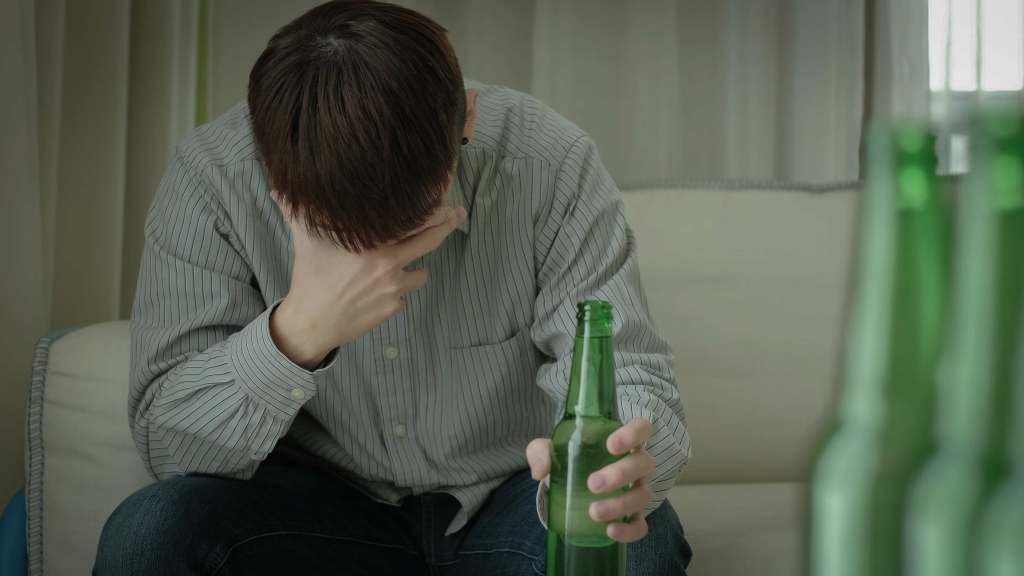
He probably links all of this trauma with the blunt and avoids it now. The whole story is explored in “good kid” and “m.A.A.d city” where he tells the whole story, it’s a masterpiece—check it out if you haven’t already. “This was the time the gang rivals was heavy between my neighborhood and the neighborhood a few blocks down,” he explained. Lamar and his classmates dreaded walking home after class because they knew violence could be waiting around every corner. Kendrick opened up about growing up in a family that partied regularly, including substance use.
If you’re looking for a little Valentine’s shopping inspo, we’ve got 14 fabulous zero-proof gifts for your sober sweethearts. The interlude starts with Keem opening the song with his personal problems growing up then it leads into recent experiences and overcomings. It opens with Lamar saying “I’ve been going through something 1,855 days”. That’s exactly the time difference between the release of DAMN to this album. Throughout this whole song he touches on several ideas of issues in the music industry, wealth, infidelity.
- They’d already been sitting on the track for a while before Swizz Beats and Egypt came in to work on part two.
- BDO understands that the uniqueness of Black culture – our heritage and our traditions – plays a role in our health.
- I came to believe in the program, and eventually God, seeing it/him/her as something greater than myself, which I could never understand.
This Filipino Rap Album Tells the Story of the Country’s Drug War
Prolific songwriter and rapper Pharrell Williams is one of the most important figures in the music industry of the past two decades. He is celebrated as one of the most innovative hip-hop artists of our generation. One of Kendrick Lamar’s first big hits, ‘Swimming Pools (Drank)’ addressed some of his experiences with alcohol and his feelings towards it. One of Lamar’s former middle school teachers, Regis Inge, spoke with NBC4 News in February 2025 about learning of the rapper’s early success.
- Furthermore, in Compton, many schools face budget cuts that cause them to cut off sports teams, employees, academic courses, and music programs.
- She said that she was drinking alcohol to try and fit in when she first got famous.
- Later in the day, I texted my friend Ali to give him my musical opinion that DAMN., Lamar’s latest album, is superior to TPAB.
- He’s also no prosperity pimp, pushing a gospel of good-and-plenty in the here and now.
Remarkably, EFFEN Vodka partnered with a sober 50 several years ago in a paid endorsement deal, which finds the rapper pimping their product on social media. Perhaps surprisingly, the boy who lived, Daniel Radcliffe, has admitted to being dreadfully hungover in many of the famous Harry Potter scenes; pointing out that he looked “dead behind the eyes”. Drinking to numb his identity crisis and to cope with becoming a celeb at such a young age, Radcliffe attempted sobriety a few times before finding his feet and cutting out the booze for good. Choosing to moderate your drinking, or ditch the booze altogether, is a hugely personal decision and one that requires careful consideration. It also presents a few challenges since many social situations involve alcohol in one way or another.

He’s imagined the photograph on the cover of To Pimp a Butterfly, and isn’t confident it will ever appear in a slideshow during one of his lectures. D is 39 years old, has long, dangling hair, a thin face, a tattoo of the solar system on the inside of his right arm and a tattoo of https://horizonandco.co.uk/36-addiction-recovery-group-activities/ an astronaut on his left. A husband, father, and now a friend to me, D (after being sober for nine years, relapsing, and getting sober again) is approaching three years clean. When weed does this to you or makes you have panic attacks every time, t’s often a sign that you have an underlying issue like an anxiety disorder, which is exactly what my case was.
So maybe it’s as important to confront the evil and the fear within. I find it hard to believe in a God who would create me and curse me in the same breath. Even Pope Francis recently advised overhauling the Lord’s Prayer so it no longer reads in a way that suggests God’s the one who leads us into temptation. “A father does not do this,” the pope explained in Italian. “A father quickly helps those who are provoked into Satan’s temptation.” If suffering for the sake of our sins is Lamar’s cross to bear, then the personal truly is political.
ilekaan kaan
Can You Be Your Own Therapist? Self-Therapy May Be for You
Depending on your symptoms, CBT isn’t always work you can do on your own. The National Alliance on Mental Illness notes that self-help CBT could be appropriate for someone with mild to moderate symptoms who is generally functioning well. But someone who is severely depressed and struggling to function will probably need one-on-one treatment with a professional. But he is not always available and I would like to make steps towards teaching myself to perform CBT all on my own. Remember, the journey of self-administered CBT is a marathon, not a sprint.
When Do You Need CBT Therapy
When you hit a roadblock, take a step back and reassess your approach. These are like personal challenges that help you test and challenge your negative beliefs. For example, if you believe you’re “not creative,” you might set a goal to try a new art project every week for a month. Understanding these principles is crucial as you embark on your CBT without therapy journey. They form the foundation upon which you’ll build your personal growth skyscraper.
Begin your wellness journey
This heightened awareness allows for a better understanding of one’s thoughts and feelings, which is essential in the process of challenging and modifying unhelpful beliefs and behaviours in CBT. Mindfulness encourages individuals to approach their inner experiences with openness and curiosity, fostering self-compassion and acceptance. This mindset shift can complement the cognitive dialectical behavioral therapy restructuring aspect of CBT by promoting a more balanced and compassionate view of oneself. Reframing is a crucial part of CBT, and it can absolutely be worked on at home during your own time. The whole purpose of CBT is to modify and replace the negative thought patterns and behaviors that may be occurring with positive ones, and reframing is the process of doing so.
Incorporating Mindfulness Practices for Holistic WellBeing
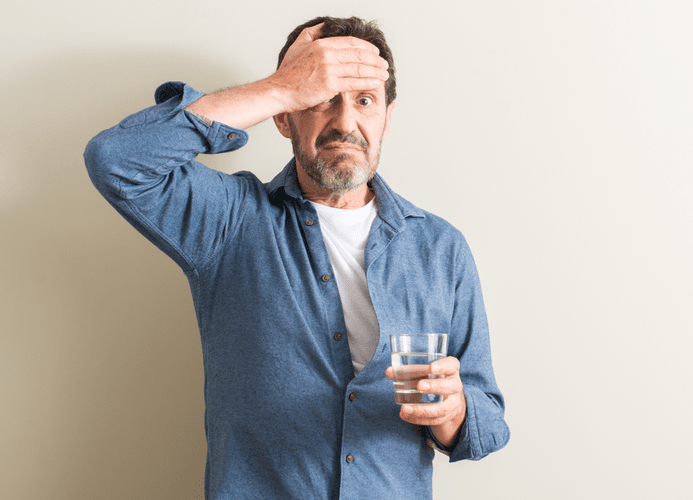
Despite its numerous advantages, self-help CBT is not without its challenges. Maintaining discipline and consistency in applying cognitive and behavioural techniques can be daunting. The absence of a structured environment and regular feedback from a therapist can make it challenging for individuals to stay motivated and committed to their self-help CBT journey. It offers unparalleled flexibility, allowing individuals to progress at their own pace and integrate therapy seamlessly into their daily lives.
Organic Excellence Balance Plus Therapy: Natural Healing for Mind and…
Your therapist will help you learn and practice good ways of coping. As the National Social Anxiety Center notes, the more confident you feel that you can cope, the less socially anxious you’ll feel. Still, there are plenty of reasons besides self-help for practicing CBT techniques on your own. Maybe you’re currently doing CBT and want to keep building your skills. https://shop.gatesbuy.com/what-happens-to-your-body-when-you-drink-beer/ Or, maybe you’ve had CBT before and want a refresher course. If you’re up for it, we’ve got six CBT techniques for practice outside of therapy.
- These CBT techniques can thankfully easily be utilized practically anytime, anywhere.
- We do offer a VIP CBT course which is on a One to One Basis which is £300.
- If you already own a motorcycle then you understandably might want to ride it while you’re taking your Compulsory Basic Training (CBT).
- This is where cognitive restructuring comes in—it’s like being the lawyer, judge, and jury in the courtroom of your mind.
This increased self-knowledge can lead to improved decision-making and more fulfilling relationships. In addition to being an experienced CBT therapist, Tom is also an accredited Mindfulness teacher, providing courses locally, in businesses and schools. You will be taught guided relaxation if appropriate to your problem.
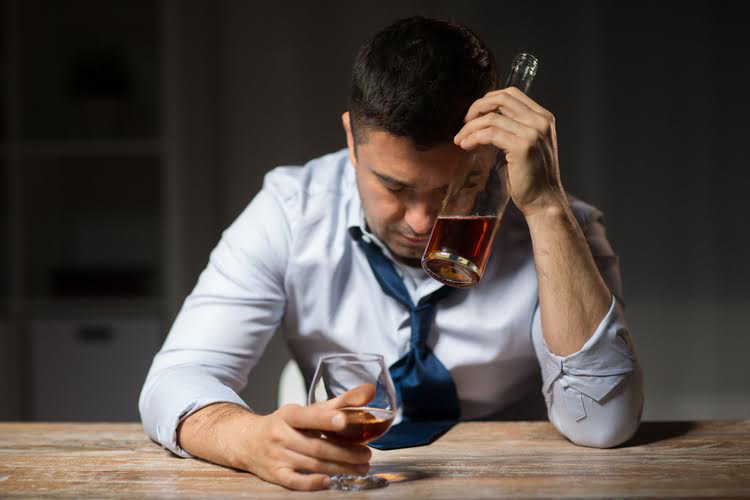
Champaign Counseling LLC cannot be held responsible for the use of the information provided. Please always consult a trained mental health professional before making any decision regarding treatment of yourself or others. Finally, you have to educate yourself, actually, that is the first step you need to take. The more you understand CBT therapy and your own mind, the faster and more efficient your mind will be able to heal. I would suggest a list of books approved by the Association for Behavioural and Cognitive Therapies as a good starting point for your self-learning journey.
In other words, amphetamine addiction treatment can you identify what’s actually going on inside yourself during a stressful or triggering moment? It’s important to note that sometimes our first analysis of a situation is actually just a cover for what’s going on even deeper. “CBT is very much based in homework,” says Melissa Galica, a licensed professional counselor with Grow Therapy.
ilekaan kaan
The Culture and Consequences of After-Work Drinking The Recovery Village Cherry Hill at Cooper Drug and Alcohol Rehab
If you’re drinking regular beer without food or other fluids, and having more than one or two, alcohol’s diuretic effect will take over and flush out even more of the fluid you tried to rehydrate with. Employers should avoid sponsoring after-work drinks unless they also take measures to monitor for intoxication and provide safe rides. Supervisors should be informed of the role they play – and their own personal liability – if they encourage these events or attend the events and buy drinks. Conversely, an employer may chose to discourage any company-sponsored drinking outside of work. Still, while alcohol won’t help you gain muscle mass, it probably won’t hinder your recovery.
- If the end of your workout overlaps with the beginning of a social function, completing your workout is most likely better than not doing it at all.
- Stress in a person’s life can be the root cause of drinking and drug use.
- According to a 2018 study (via Discover), alcohol is the third-leading cause of death in the United States.
- Conflict resolution in the workplace can be broken down into steps to simplify the process.
- This subreddit is a place to motivate each other to control or stop drinking.
Psychological Influences Behind After-Work Drinking
About 10% of Americans have experienced drug addiction at some beer after work point in their lives. If one of your employees is struggling with this disease, you might be tempted to fire him or her. Happy hour and after-work drinks often go hand in hand with long days on the job, providing networking opportunities and a chance to unwind.

When You Drink Beer Every Night, This Is What Happens To Your Body
Studies have consistently shown a negative correlation between regular Oxford House after-work drinking and job performance. The habit can lead to absenteeism, tardiness, reduced work efficiency and strained professional relationships, ultimately affecting overall workplace dynamics. Research indicates that this pattern of behavior not only decreases an individual’s work capacity but also burdens colleagues who may need to compensate for the reduced output.
Why Do People Drink After Work?
Contact a Recovery Advocate today to take the first step toward living an alcohol-free life. Exploring the relationship between alcohol use and mental health disorders reveals a complex interaction where one can significantly impact the other. Studies indicate that https://interimsite1.co.za/2024/07/26/sober-living-homes-vs-drug-rehabs-what-s-the/ individuals with alcohol use disorder (AUD) frequently experience co-occurring mental health conditions such as depression and anxiety. This suggests not only a co-occurrence but also a shared underlying vulnerability involving genetic factors and neural circuits. Despite these risks, the social pressure to participate in after-work drinks is significant.

Drinking after work is not the best way to relieve stress after a stressful workday. As stated before alcohol consumption can have effects on your body short- and long-term, especially when consumed regularly and frequently. Regular after-work alcohol consumption presents a risk not only to physical health but also to mental well-being. Alcohol, classified as a depressant, influences the brain’s neurotransmitter balance, impacting mood, thought processes, and behavior.
Mildred Bowers, a woman who celebrated turning 103 years old in 2016, credited her daily four o’clock beer — which was okayed by a doctor — with her longevity. “Have a beer, doctor’s orders,” she joked in an interview with her local news station. “You would have to drink a ton of alcohol to even meet the amount of carbohydrates needed for exercise,” says Wynne. Explore the In-depth explanation of complex topics for everyday life decisions. Manage your money efficiently with this weekly money management guide. Check the score based on the company’s fundamentals, solvency, growth, risk & ownership to decide the right stocks.
How frequently do you drink after a hard day of work?
- Inpatient treatment involves living on-site at the detox or rehab facility, an approach that keeps patients in a healing environment and allows for better monitoring and treatment.
- Peer pressure and societal expectations are pivotal in shaping drinking behaviors.
- Our representatives are standing by around the clock to take your call.
- Companies should instead suggest activities that encourage camaraderie among coworkers, leading to a healthier and stronger bonding experience and lessening the risk of repercussions brought on by after-work drinks.
At North Jersey Recovery Center, we strive to make your addiction treatment experience as comfortable as possible. When it comes to drinking after work, it’s important to be wary of these red flags. If these symptoms begin to develop, it may be a sign that professional help is needed. Moreover, hobby clubs within the workplace foster camaraderie and creativity and are instrumental in promoting overall well-being.
Research indicates that consistently high levels of alcohol consumption are directly linked to the development of serious liver diseases such as cirrhosis and hepatitis. Dr. Gautam Mehta from the UCL Division of Medicine and the Royal Free Hospital highlights that only a third of people who drink heavily develop severe liver issues, suggesting individual variability in susceptibility. However, the dangers are substantial and warrant serious consideration for anyone regularly consuming alcohol after work. Getting help for alcoholism at The Recovery Village Columbus can greatly improve the chances of overcoming alcohol addiction. The center’s team of professionals works closely with each patient to create and continuously adjust treatment plans that ensure long-term success. The Recovery Village Columbus offers several treatment options, including medical detox, inpatient rehab, and more, to provide you with personalized care at our Joint Commission-accredited facility.
Beer After Work Dialogue: Transcript
This goes to show that substance abuse can happen to anyone if they aren’t careful. Stress in a person’s life can be the root cause of drinking and drug use. Without the proper control, a person can eventually develop an addiction. The National Institute on Alcohol Abuse and Alcoholism (NIAAA) warns that persistent alcohol consumption can lead to a cycle of addiction and a myriad of health issues, affecting organs and bodily systems. Other alcohol experts agree regular, moderate drinking is probably safe. Low and behold, moderate drinking still seemed like a pretty safe behavior.